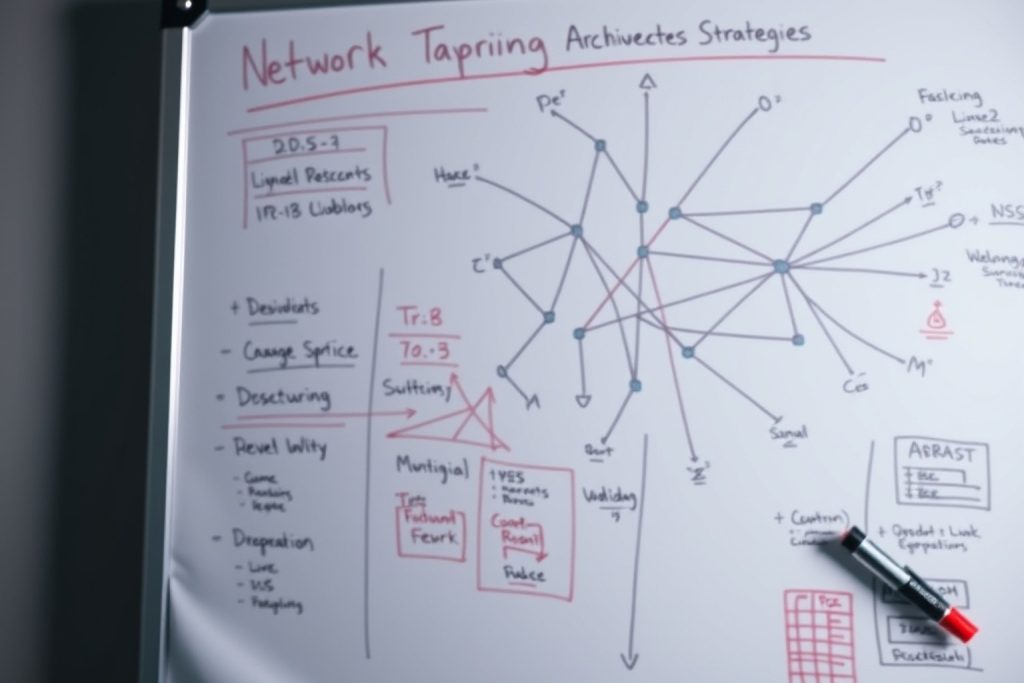

Understanding DDoS Threats in 2024
Distributed Denial-of-Service (DDoS) attacks are not only a persistent headache—they’re now larger and more sophisticated than ever. Cloudflare and NETSCOUT both recorded attacks over 1.5 Tbps throughout 2023, underscoring just how disruptive these incidents can be. When an attack happens at this scale, it’s not just websites that go down; entire ISP networks, large companies, and even cloud providers can be taken offline, with huge financial and reputational consequences.
Need IPv4 addresses?
Browse clean, RIPE-verified subnets at $0.50/IP/month.
| Year | Largest DDoS Attack | Average Attack Size |
|---|---|---|
| 2022 | 2.5 Tbps (Cloudflare) | 500 Mbps |
| 2023 | 2.8 Tbps (Microsoft Azure) | 620 Mbps |
| 2024 (YTD) | 3.5 Tbps (NETSCOUT) | 700 Mbps |
The traditional playbook—perimeter firewalls, manual blackholing—struggles to keep up with these threats. An often underestimated line of defense is actually how you structure your IPv4 address space. A resilient design here can make a dramatic difference.
The Role of IPv4 Address Architecture
How you allocate your IPv4 addresses sets the boundaries for how much damage a DDoS attack can do. If your architecture is too flat or disorganized, an attacker can easily overwhelm entire portions of your network. With a more segmented approach, however, you can limit the fallout and keep most services running while you respond.
- Segmentation: Contain attacks within isolated address blocks—think of it as bulkheads on a ship.
- Anycast and Geodiversity: Spread attack traffic across different regions, making it harder to overwhelm any single point.
- Dynamic Reallocation: Move or isolate addresses under attack, keeping disruptions to a minimum.
IPv4 Allocation Models Compared
| Model | Resilience | Complexity | Best For |
|---|---|---|---|
| Flat / Legacy | Low | Low | Small orgs |
| Hierarchical | Medium | Medium | Enterprises |
| Microsegmented | High | High | ISPs, Carriers |
Key Strategies for Enhanced DDoS Resilience
Designing IPv4 allocations for DDoS resilience requires a bit more thought than just dividing networks into tidy subnets. Here’s what actually helps:
- Microsegmentation of Subnets
- Break up large address blocks into smaller units, such as /28s or /24s.
- Assign separate subnets to your most critical services, so you can target your defenses precisely.
- When an attack hits, you can reroute or blackhole only the affected subnet, leaving the rest untouched.
- IP Address Rotation & Dynamic Assignment
- Don’t stick with the same public IPs forever. Rotate them regularly for key services.
- Automating this process means you’re not scrambling during an attack—addresses can be swapped quickly.
- Anycast Implementation
- Announcing the same IP range from multiple locations worldwide dilutes attack volume and provides failover.
- Combining anycast with regional scrubbing centers can help you absorb or filter attack traffic more effectively.
- Address Diversity Across RIRs
- If you can, source IPv4 blocks from more than one Regional Internet Registry. This makes it easier to reroute traffic as needed.
- It also gives you flexibility with BGP during an incident.
Practical Implementation Tips
- Map Your Attack Surface: Take stock of every public IPv4 allocation you’re responsible for, and know which services depend on them.
- Automate Null Routing: Use SDN controllers or programmable routers to instantly cut off subnets under attack—manual changes are too slow.
- Maintain Address Pool Reserves: It’s smart to keep around 10% of your addresses unassigned so you’re ready for an emergency failover or quick replacement.
- Work with Verified IPv4 Brokers: Clean, traceable address blocks are especially important for critical services—bad reputation addresses can get you blacklisted fast.
- Monitor with Flow Analytics: Don’t wait for end users to complain—real-time monitoring will tip you off to unusual spikes or attacks as they happen.
Sourcing Quality IPv4 Addresses
IPv4 addresses are as sought-after as ever. In 2024, you can expect to pay between $45 and $60 for each /24 block, according to IPv4.Global and Hilco Streambank. As networks and businesses expand, finding clean, reliable IPv4 space is essential—not just for growth, but for security and DDoS preparedness.
Services like IP4 Market take some of the guesswork out of buying, selling, or leasing IPv4. With verified sellers and transparent pricing, IT teams and network operators can bolster their resources while keeping regulatory compliance and uptime top of mind.
- All transfers are vetted, and transaction histories are visible for peace of mind.
- Assistance is available for tricky RIR paperwork and compliance needs.
- Short-term leases or outright purchases—whichever best fits your demand for flexibility or permanence.
FAQ: IPv4 Addressing & DDoS Mitigation
-
Q: How does IPv4 segmentation help during a DDoS attack?
A: By isolating services into separate subnets, you limit the fallout from an attack. If one block gets targeted, the rest of your network can keep running.
-
Q: Should I buy or lease IPv4 for DDoS mitigation?
A: Leasing is usually good for short-term needs or temporary projects. If you want total control and long-term stability, buying is the way to go for your core infrastructure.
-
Q: Can address reputation affect DDoS defenses?
A: Definitely. Using address space with a poor reputation can mean quick blacklisting and extra headaches. Always stick with blocks from reputable, verified brokers.
Conclusion
Networks need to adapt as DDoS tactics change. Thoughtful segmentation, dynamic address management, and working with trusted IPv4 providers like IP4 Market put you in a much better position to ride out an attack—and keep your business running.
Need IPv4 space? Lease RIPE-verified /24–/22 subnets at a flat €0.50/IP per month — LOA + RPKI/ROA in minutes, instant company verification, automatic renewals. Browse available subnets →