The edge shift and its IP appetite
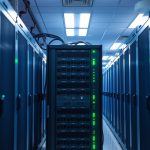
I’ve been watching edge computing for a while now. It’s changing how we process data, pushing computation closer to where users and devices are. That shift—driven by IoT, 5G, real-time apps—creates a massive need for public endpoints. Each edge node, micro data center, or distributed server needs a unique public IP address. Often more than one. And that’s directly fueling the demand for IPv4.
We’ve exhausted the global IPv4 pool. ARIN and RIPE? They’ve been out of free addresses for years. At the same time, edge deployments are growing at a compound rate of over 35% through 2028. That’s not a guess; it’s from industry analyses. Finite supply meeting exploding need. That’s reshaping the IPv4 transfer and lease market.
Need IPv4 addresses?
Browse clean, RIPE-verified subnets at $0.50/IP/month.
If you’re a network engineer or ISP operator, this hits close to home. The cost and availability of IPv4 directly affect your edge project budgets, scalability plans, service reliability. I’ve seen projects stall because they couldn’t get enough addresses. So understanding this dynamic isn’t academic—it’s practical.
Let’s dig into the technical and market forces behind IPv4 demand in edge computing, and look at some ways to secure the addresses you need.
Why edge still sticks with IPv4 over IPv6
You’d think with all that IPv6 space, edge would use it. But it doesn’t. Not yet, at least. Here’s what I’ve seen drive that preference:
- Legacy device compatibility: Most IoT sensors, industrial controllers, and even some consumer gadgets still only speak IPv4. Edge nodes have to talk to them directly. No way around it.
- NAT avoidance: Edge apps need low latency and direct peer-to-peer connections. Public IPv4 avoids NAT overhead, which can cause jitter and packet loss. That can kill performance.
- Existing infrastructure: ISPs, CDNs, cloud providers—they’re all deeply integrated with IPv4. Moving edge nodes to IPv6 means expensive dual-stack or translation gateways. Not something you want to rush into.
- Operational simplicity: Most engineers know IPv4 subnetting, routing, troubleshooting like the back of their hand. For edge deployments that need to move fast, keeping complexity low reduces time-to-market.
IPv6 adoption is growing, sure, but slowly. The need for IPv4 from edge projects? That’s dominant right now. And it’s not temporary. It’s a structural dependency that will stick around for years. I don’t see that changing anytime soon.
What drives IPv4 need in edge architecture
In my experience, a few architectural features really multiply the IP requirements:
Node density
Consider this: a typical edge deployment might involve hundreds or thousands of micro data centers or server nodes. Each needs at least one public IPv4 for management and data traffic. For autonomous vehicles or smart cities? You’re talking tens of thousands of addresses. That density directly fuels demand.
Multi-tenancy and virtualization
Edge nodes often run multiple VMs or containers for different applications or tenants. And each virtual instance might need its own public IPv4, especially in telecom or CDN use cases. That multiplies per-node consumption significantly.
Redundancy and load balancing
Edge services demand high availability. That means multiple IP addresses per service for failover, load balancing, geographic distribution. Anycast and BGP setups add more blocks. Redundancy is a key driver of IPv4 need.
CGNAT limitations
Some operators use CGNAT to stretch their address pool. But it introduces challenges: higher latency, logging requirements, and you can’t easily host services. So many edge architects prefer dedicated public IPv4. That preference tightens the market even more.
Market snapshot: IPv4 prices and availability
The IPv4 transfer market has seen some serious price hikes over the last three years. Here’s a snapshot based on industry reports and what I’ve seen on IP4 Market.
| Region | Average Price per IPv4 (2024) | Availability (Relative) | Typical Block Size |
|---|---|---|---|
| North America (ARIN) | $45 – $55 | Low | /24 (256 addresses) |
| Europe (RIPE) | $40 – $50 | Very Low | /24 or /22 |
| Asia-Pacific (APNIC) | $50 – $65 | Moderate | /24 or /23 |
| Latin America (LACNIC) | $35 – $45 | Moderate | /24 |
Note: these are estimates. Prices vary by block quality, reputation, transfer speed. Source: IP4 Market analysis, 2024.
What the data shows: edge computing is pushing IPv4 prices up, especially in regions with active edge builds. Availability is tight. Blocks move quickly. Since 2021, average prices have gone up about 15-20% each year. That’s not insignificant.
How to secure IPv4 addresses
If you’re a network engineer or ISP facing this demand, here are some practical steps I’ve seen work:
- Plan ahead. Estimate your edge node count and address needs at least six months in advance. The market moves fast. Last-minute buys can be brutal on the budget.
- Consider leasing. For temporary or pilot deployments, leasing can be more cost-effective than buying. IP4 Market has flexible lease options with verified sellers.
- Verify seller reputation. Use platforms that screen sellers for clean registries—no blacklisting, no prior abuse. You want to avoid operational headaches down the line.
- Optimize address usage. Subnet efficiently—use /26 or /28 blocks where possible for small edge sites to minimize waste.
- Monitor market prices. Keep an eye on IP4 Market’s price index. Timing your purchases when availability is higher can save you money.
- Leverage dual-stack carefully. For new edge designs, include dual-stack capability but plan for IPv4 as primary for at least the next five years.
Wrapping up: navigating IPv4 demand in the edge era
Edge computing isn’t slowing down. And its reliance on IPv4 will keep driving demand for the foreseeable future. For network engineers and ISPs, adapting means understanding the technical drivers, watching market trends, and adopting smart procurement strategies. Whether buying or leasing, securing IPv4 addresses is now a critical part of edge project planning.
Platforms like IP4 Market give you access to verified blocks, competitive pricing, and support. That can make a real difference in keeping your edge deployments on track.
To sum it up: edge computing is growing fast, and IPv4 is finite. That’s a challenge, but manageable. Plan ahead, consider leasing, verify sellers, optimize usage. The demand trend is structural, not a passing cycle.
Need IPv4 space? Lease RIPE-verified /24–/22 subnets at a flat €0.50/IP per month — LOA + RPKI/ROA in minutes, instant company verification, automatic renewals. Browse available subnets →