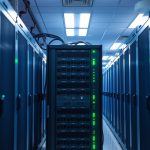
What is Edge Computing?
Edge computing puts processing power and data storage closer to where information is actually created—right at the edge of the network. Instead of sending everything to a central cloud, data is handled locally, which translates into lower latency and better performance. This approach is vital for things like IoT networks, autonomous vehicles, or smart city infrastructure, where immediate responses matter.
- Faster Response Times: Processing data at or near the source helps keep delays to a minimum.
- Bandwidth Optimization: With less information traveling all the way back to core data centers, networks see far less congestion.
- Enhanced Privacy & Security: Local processing means sensitive data often never leaves the premises.
Why Edge Deployments Need More IPv4 Addresses
Edge architectures are changing the way organizations design their networks. Gone are the days of managing a handful of centralized data centers; now, businesses spin up numerous micro data centers and edge nodes, each needing their own IP address for management and communication.
Need IPv4 addresses?
Browse clean, RIPE-verified subnets at $0.50/IP/month.
- Every new device or edge site means another network interface that needs an IP.
- When edge locations host multiple clients, each tenant typically gets their own address pool.
- Legacy hardware and many IoT devices still only speak IPv4, which slows widespread IPv6 rollout.
Key Drivers Behind IPv4 Demand in Edge Architectures
As edge computing expands, several factors are pushing up the demand for IPv4 addresses:
- Proliferation of IoT Devices: With billions of sensors and controllers out there, each one needs a unique address for local management.
- Decentralized Infrastructure: Each edge node and gateway requires a routable address for remote access and updates.
- Enterprise Network Segmentation: Splitting networks for security often means carving out more subnets, which increases overall address needs.
- Regulatory Compliance: Some industries are required to use dedicated, traceable address spaces for their edge workloads.
- Partial IPv6 Adoption: IPv6 can help in the long run, but most deployments today still lean heavily on IPv4 for compatibility’s sake.
Challenges with IPv4 in Edge Deployments
- Global IPv4 exhaustion isn’t new—free address pools ran out at the major Internet registries quite a while back.
- Prices keep climbing: In early 2024, the going rate for an IPv4 address was well over $50 USD in the biggest markets.
- Finding “clean” IPv4 blocks is more difficult, and the process to acquire them is getting more complicated for operators.
IPv4 Market Trends: Data & Analysis
The secondary IPv4 market is as active as ever. Here’s a look at what’s happening around edge-related IPv4 usage and pricing:
| Year | Average Price per IPv4 Address (USD) | Reported Transfers (ARIN, RIPE, APNIC) |
|---|---|---|
| 2022 | $45 | 40,000,000 |
| 2023 | $52 | 39,200,000 |
| 2024 (Q1-Q2) | $57 | 35,500,000 |
Source: ARIN, RIPE NCC, APNIC market reports, IP4 Market internal research
- Rising prices are a direct result of higher demand and limited supply, especially as edge networks grow.
- Transfer activity hasn’t dropped much, but there’s clearly less available supply each year.
- Blocks with a clean record have become especially sought-after, since issues with reputation can be a nightmare for edge operators.
IP4 Market connects verified buyers and sellers, providing a transparent platform to purchase, sell, or lease IPv4 addresses—no surprises.
Practical Tips for Efficient IPv4 Management at the Edge
- Plan Addressing Carefully: Smart subnetting and regular audits prevent over-allocation and help recover unused addresses.
- Implement Address Reuse: Use private address space for internal-only traffic; save public IPv4s for endpoints that need them.
- Automate IPAM (IP Address Management): Specialized tools can track and allocate addresses across all your edge sites with less manual effort.
- Engage in the IPv4 Market Early: Locking in your needs ahead of time can help you avoid sudden price hikes or shortages.
- Vet Sellers Carefully: Only buy from reputable sources that provide clear documentation and a clean history. A marketplace like IP4 Market can help with due diligence and transfers.
Summary & FAQs
Key Takeaways
- Edge computing’s distributed design is a big reason why IPv4 demand keeps climbing.
- With fewer available addresses and higher costs, actively managing IPv4 resources is more important than ever for edge networks.
- Reliable marketplaces like IP4 Market reduce complexity when sourcing or leasing IPv4 space.
Frequently Asked Questions
-
Q: Can IPv6 solve edge addressing challenges?
A: Although IPv6 is seeing more use, the reality is that most edge and IoT setups still need IPv4 for compatibility. Running both (dual-stack) is a practical solution when you can swing it. -
Q: How can I ensure the IPv4 blocks I buy are clean?
A: Stick to platforms that verify sellers and check for past problems with the address blocks. A reputable marketplace will do the legwork on reputation and compliance for you. -
Q: Is leasing IPv4 a good option for temporary edge projects?
A: Absolutely. Leasing gives you flexibility without the long-term costs, which is perfect for pilots, tests, or seasonal expansions.
Need IPv4 space? Lease RIPE-verified /24–/22 subnets at a flat €0.50/IP per month — LOA + RPKI/ROA in minutes, instant company verification, automatic renewals. Browse available subnets →